
 ع
ع


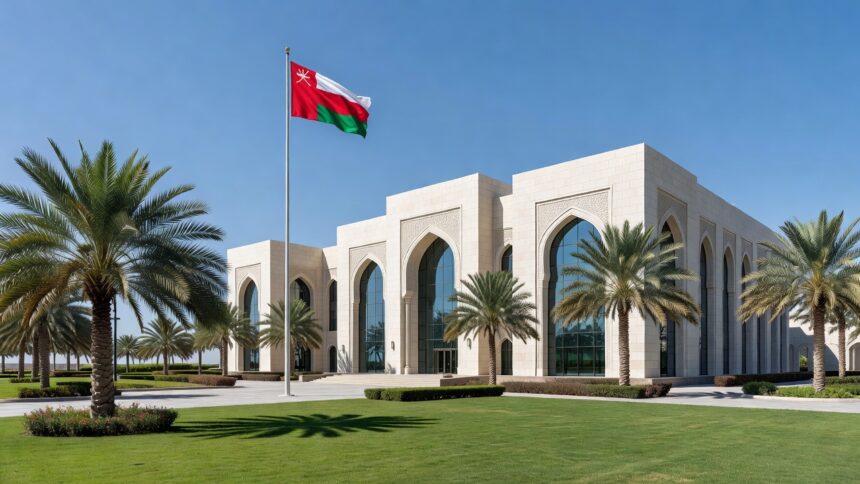
The Arabian Stories reported that Oman’s Shura Council took up the draft unified law for volunteer work among GCC states in a session on June 9, 2026. The proposed statute seeks to advance volunteerism, reinforce its place in social culture and put legislative structures in place that sustain volunteer projects. It additionally looks to improve collaboration between the six GCC members and motivate wider public engagement in initiatives that drive social progress. The US Library of Congress Global Legal Monitor reported that Qatar adopted the same unified voluntary work law on June 25 through Law No. 6 of 2026, illustrating the regional momentum behind the initiative.
According to The Arabian Stories, the session was chaired by Khalid bin Hilal Al Maawali, who used his opening address to reaffirm the council’s dedication to Oman Vision 2040. Al Maawali told members the body would continue discharging its duty to examine draft legislation and debate subjects that affect the public. He commended the level of participation shown by council members and indicated that the agenda items demonstrated a clear focus on bolstering laws and aligning them with national programmes and policies. The Arabian Stories noted that several government-referred drafts and agreements formed the core of the briefings delivered that day.
The Arabian Stories reported that council members received a presentation on a draft environmental law that would tighten safeguards for natural resources and biodiversity. The legislation is crafted to confront climate change while striking an equilibrium between developmental ambitions and the need to protect the environment for coming generations. It forms one element in a larger package of measures designed to embed sustainability across Omani policy.
A draft agreement with Azerbaijan concerning the avoidance of double taxation and prevention of fiscal evasion also featured in the discussions, The Arabian Stories said. The pact is projected to fortify bilateral economic links and furnish investors with a predictable and open tax regime. Such arrangements typically facilitate cross-border trade and capital flows between the signatory nations.
The Arabian Stories indicated that considerable attention fell on the draft law concerning alternative penalties and penal measures. Ahmed bin Ali Al Saadi, chairman of the Legislative and Legal Committee, described the text as a vehicle to update the criminal justice architecture by expanding the range of sentencing tools available to the judiciary. Al Saadi added that the framework would grant courts discretion to apply non-custodial options in appropriate instances, balancing punishment with rehabilitation. The changes are expected to lessen the collateral effects of imprisonment on families and society while freeing budgetary resources for priority law-enforcement tasks.
According to The Arabian Stories, the Economic and Financial Committee supplied an evaluation of domestic industry performance. Ahmed bin Saeed Al Sharqi, who leads the committee, stressed the sector’s pivotal function in diversifying the economy, generating employment and lifting non-oil export volumes. Al Sharqi further detailed how local manufacturing boosts GDP share, fosters innovation in production and draws fresh investment, all of which advance the targets set out in Oman Vision 2040.
The Arabian Stories reported that recommendations from the Education, Scientific Research and Innovation Committee addressed closer ties between state agencies and private operators in preschool learning and specialised student services. Ali bin Nasser Al Harasi, the committee chairman, said the steps would enlarge access to quality programmes for high-achieving, talented and disabled learners alike. Al Harasi indicated that broadening private-sector contributions could raise standards and extend rehabilitative and educational support to every governorate in the sultanate.