 ع
ع

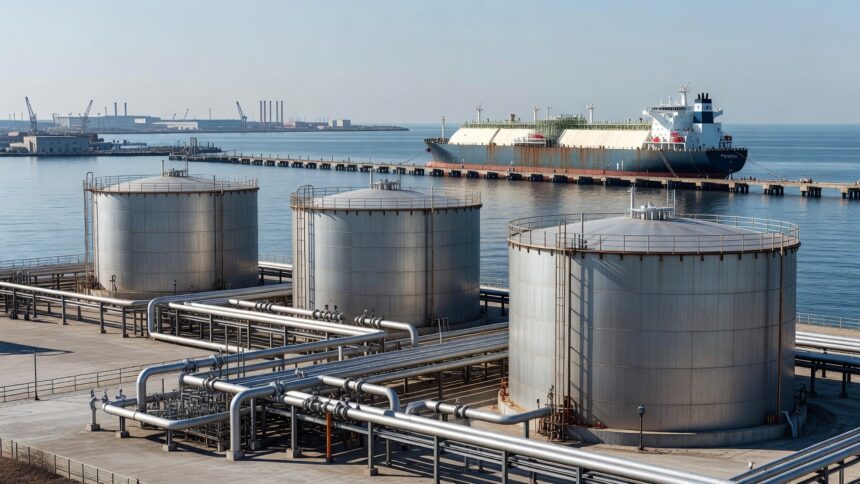
In an open letter to EU leaders the energy ministers from the United States Qatar Nigeria and Algeria called for a pragmatic approach to the rules and targeted amendments that would allow continued access to needed fuels Reuters reported. “Importers have already begun the process of purchasing oil and natural gas that will be stored for delivery in 2027 and as of now there is no viable path to compliance with the regulation” the letter stated. US Energy Secretary Chris Wright labeled the regulations crazy during an appearance at the Reuters Global Energy Forum and cautioned of risks including blackouts or heating struggles in the coming winter. He noted that US LNG would simply find other markets if European buyers could not comply.
The European Union’s methane regulation which entered into force in 2024 requires importers to monitor and verify methane emissions equivalent to domestic standards starting in 2027. Penalties for non-compliance can reach 20 percent of annual turnover with stricter intensity thresholds and fines set to apply from 2030. The policy aims to curb one of the most potent greenhouse gases but has faced criticism for its potential impact on supply chains.
Figures from the Institute for Energy Economics and Financial Analysis show the US accounted for 58 percent of EU LNG imports in 2025 rising to over 60 percent in early 2026 as the region diversified away from Russian supplies following the 2022 invasion of Ukraine. Qatar’s contributions have declined due to conflict-related disruptions at its production facilities that may sideline significant capacity for years according to the institute. The joint letter underscores how such rules could exacerbate existing market tightness the signatories argued.
EU member states including the Czech Republic and Slovakia have called for urgent consideration of options to lower barriers to imports with some nations seeking a three-year postponement of key provisions. An assessment by Wood Mackenzie warned that almost half of the EU’s gas imports could face compliance difficulties although a separate study by Rystad Energy for the Environmental Defense Fund suggested compliant volumes exceed current needs by a factor of three. EU Energy Commissioner Dan Jorgensen expressed willingness to discuss implementation flexibility while maintaining the regulation’s environmental goals.
The concerns surface against a backdrop of global LNG market volatility with the International Energy Agency noting that recent conflicts have removed up to one-fifth of supply capacity. US exporters have already begun avoiding new long-term contracts with European counterparts due to the uncertainty a situation that could hinder efforts to secure winter supplies. The Trump administration’s focus on maximizing energy production has included lifting previous restrictions on LNG export approvals.
Industry representatives have emphasized the technical challenges of applying uniform standards across diverse international supply chains in the near term. Certification programs such as the Oil and Gas Methane Partnership 2.0 offer pathways for compliance yet many producers require additional time to adapt. The debate highlights tensions between Europe’s climate ambitions and its immediate energy security requirements in an uncertain geopolitical environment.