ع



Cooper Fitch’s Gulf Employment Index recorded a 4 percent quarter-on-quarter increase in UAE hiring through September, the strongest gain among the six GCC states and a full reversal of the 4 percent contraction seen in the second quarter. The consultancy attributed the spring weakness to uncertainty stemming from the stop-start nature of regional tensions involving Iran and disruptions around the Strait of Hormuz that began with conflict on February 28. Cooper Fitch CEO Trefor Murphy described the third-quarter performance as a very decent recovery while noting that companies had often advanced recruitment to final stages before pausing on hires.
The broader Gulf saw hiring activity rise 2 percent in the third quarter after a 3 percent drop previously, according to the same index from Cooper Fitch. Public sector hiring in the UAE advanced 3 percent during the period while senior finance, strategy and general finance roles posted gains between 5 and 6 percent. Murphy told the publication that April represented the weakest month before conditions improved progressively from May onward as some stability returned to regional dynamics.
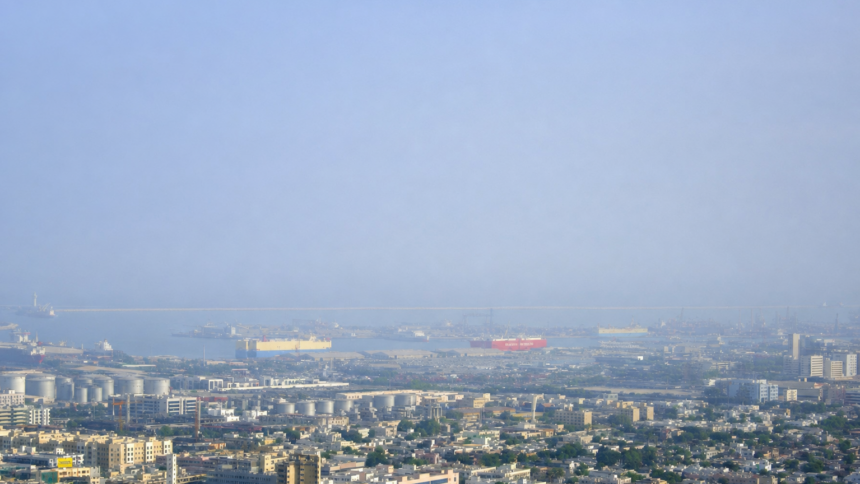
Fitch Ratings projected in an October assessment that the UAE non-oil economy would contract 3.7 percent in real terms for 2026 before expanding 6.1 percent in 2027. The ratings agency cited temporary damage to the country’s logistics advantages and its reputation as a safe base for business, finance and tourism from the period of heightened conflict. Daily port calls at Jebel Ali fell sharply from an average of 24 early in the year to 3.7 once tensions escalated, a figure that has only partially recovered.
Talk of a possible resumption of direct conflict with Iran continues to cloud the hiring outlook, with limited visibility on trade routes and shipping persisting despite the recent rebound, an assessment from Cooper Fitch found. Murphy said it is very hard to see hiring momentum returning without a permanent ceasefire. Business demand has provided a firmer base but costs remain elevated and visibility on trade and shipping is still limited, the index stated.
Energy ranked as the fastest-growing sector for hiring across the Gulf, climbing 7 percent on projects tied to nuclear power, renewables and Saudi Arabia’s Vision 2030 program, Cooper Fitch figures show. Banking and investment management bucked the recovery, declining 4 percent and 5 percent respectively in the third quarter. The mixed sectoral performance reflects varying degrees of exposure to the geopolitical factors that shaped economic conditions throughout much of 2026.
The International Monetary Fund projected the UAE economy would contract 3.9 percent this year before rebounding 7.7 percent in 2027 assuming shipping routes normalize. S&P Global data showed the UAE purchasing managers’ index climbing to 52.7 in July from a more than five-year low of 50.8 in June, indicating expansion as customer demand and export orders improved. Recruiters have indicated that the return of expatriates after the summer break will serve as a key test for the labor market’s sustained strength.