ع



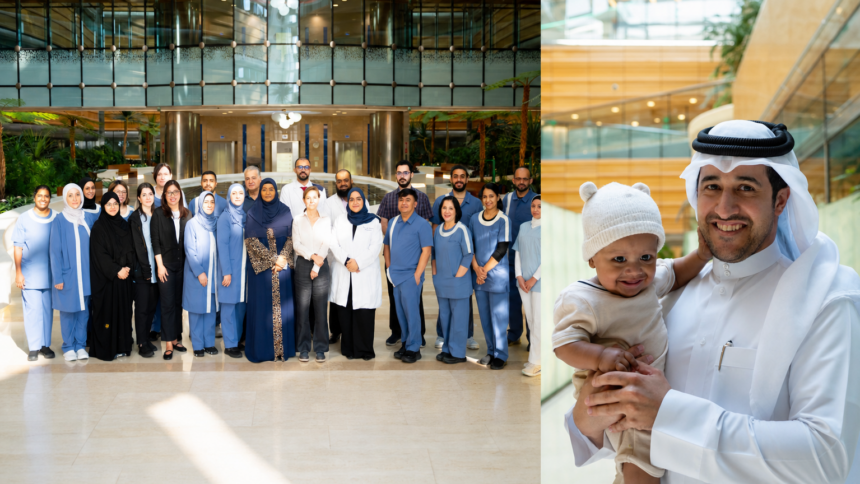
The Qatar News Agency reported that Sidra Medicine’s Pediatric Hematology and Oncology and Hematopoietic Stem Cell Transplant teams delivered the two anti-GD2 monoclonal antibody therapies to young patients as part of treatment regimens for high-risk neuroblastoma. Dr. Chiara Cugno, acting division chief of pediatric hematology and oncology at Sidra Medicine, said in the statement, “The introduction of these complex therapies involved extensive preparation and collaboration across Sidra Medicine’s medical, surgical, nursing, pharmacy, education and wider multidisciplinary teams.” She added that the milestone reflected the institution’s commitment to advancing pediatric cancer treatment while expanding access to specialized therapies for children and families in Qatar, according to the Qatar News Agency.
One patient named Issa, who received a neuroblastoma diagnosis at birth, became the first child in both Qatar and the GCC to receive naxitamab, the Qatar News Agency detailed. The therapy formed part of a broader protocol at Sidra Medicine that combined chemotherapy with autologous stem cell transplantation. Both naxitamab and dinutuximab beta target GD2, a molecule expressed at high levels on neuroblastoma cells, and were administered after stem cell transplantation, the hospital’s announcement stated.
Neuroblastoma accounts for roughly 6 to 10 percent of all childhood cancers and predominantly strikes children younger than five years old, a 2023 Global Cancer Observatory assessment found. The disease originates in immature nerve cells of the sympathetic nervous system and often requires multimodal treatment including surgery, chemotherapy, radiation and immunotherapy. High-risk cases have historically carried five-year survival rates below 50 percent before the wider adoption of anti-GD2 therapies, according to data compiled by the International Society of Paediatric Oncology.
Y-mAbs Therapeutics developed Danyelza, which received U.S. Food and Drug Administration approval in 2020 for use with granulocyte-macrophage colony-stimulating factor in patients with relapsed or refractory high-risk neuroblastoma exhibiting bone or bone marrow involvement. Recordati Rare Diseases markets Qarziba, approved by the European Medicines Agency in 2017 for high-risk neuroblastoma patients who responded to induction therapy and for relapsed or refractory disease. Sidra Medicine’s successful administration of both agents follows their inclusion on various national formularies across Asia and Europe in recent years, a review by NAVLIN DAILY noted.
The introduction of these therapies at Sidra Medicine aligns with Qatar’s broader investments in pediatric oncology infrastructure, which have included the establishment of comprehensive hematopoietic stem cell transplant programs. Public health authorities in the country have prioritized early detection and specialized care for rare pediatric conditions amid a growing expatriate and citizen child population. Hospital officials indicated that the new treatment options will be integrated into existing multidisciplinary protocols for eligible patients.
Sidra Medicine has positioned itself as a regional referral center for complex pediatric cases, drawing on partnerships with international oncology networks to import advanced therapies. The successful use of Danyelza and Qarziba adds to a series of first-in-region milestones at the Doha facility over the past decade. Further patients are expected to benefit from the expanded immunotherapy armamentarium as clinical teams refine administration pathways and supportive care measures.