ع



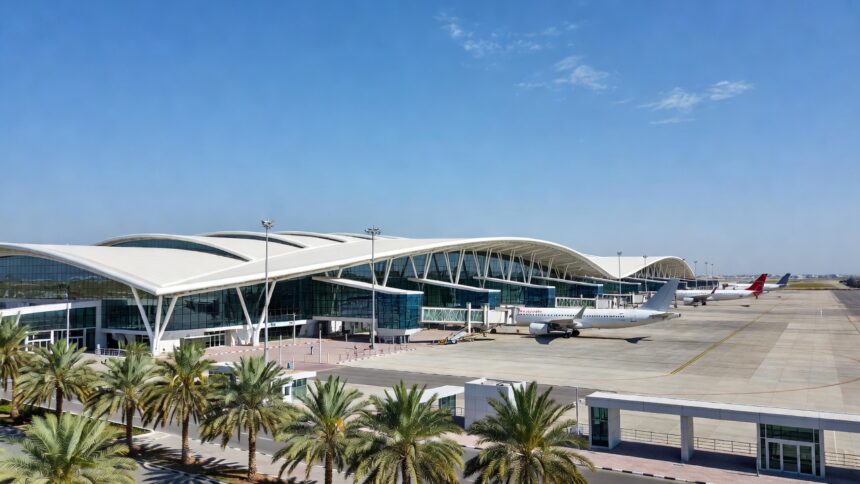
The Environment Authority said the seizure of several royal pythons took place at Muscat International Airport in coordination with the Royal Oman Police and the Directorate General of Customs. The operation targeted a traveller who lacked the required permits for importing the protected reptiles. Legal proceedings against the individual have commenced under Oman’s Wildlife Trade Regulation Law.
Ball pythons fall under Appendix II of CITES, which the Environment Authority noted regulates their international trade. The convention requires documentation to confirm that exports do not harm wild populations. A 2020 review in Nature Conservation reported that Togo exported over 1.6 million live ball pythons from 1978 to 2017, the majority destined for the commercial pet trade.
Oman’s Environment Authority has issued CITES import and export permits tracked in annual reports covering 2011 to 2022, according to authority data. The country has participated in the convention since 1975 to align its wildlife policies with global standards. This framework supports controls at points of entry including Muscat International Airport.
Directorate General of Customs data shows ongoing inspections have intercepted various wildlife items in recent operations at the facility. Such actions form part of systematic enforcement against unregulated trade in protected species. The current case adds to records of reptile seizures at Omani borders.
The Public Prosecution Office will oversee the legal aspects of the violation, Omani judicial procedures indicate. Convictions under the wildlife law can result in fines or custodial sentences based on case specifics. The Environment Authority continues to collaborate with regional partners on monitoring trade patterns that could affect species conservation. Officials have withheld the exact number of pythons and the traveller’s nationality pending further investigation.