
 ع
ع


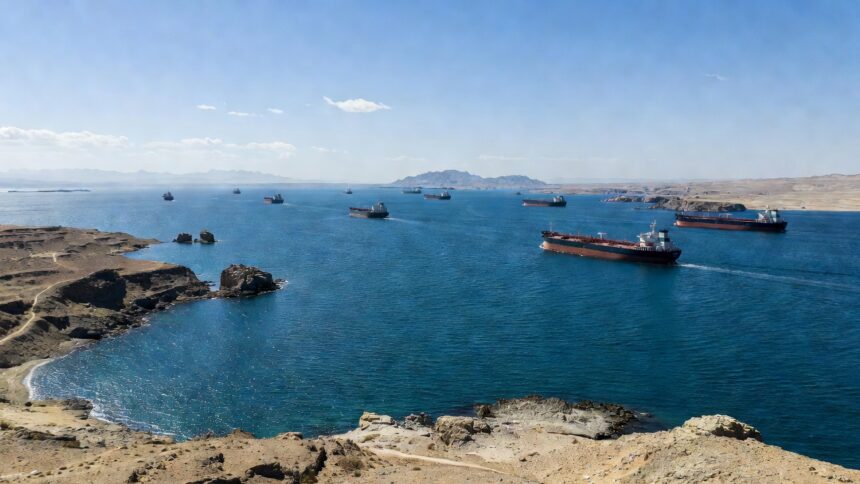
Brent crude futures fell 41 cents, or 0.5 percent, to settle at $87.43 a barrel on Thursday according to Reuters market reports, while West Texas Intermediate crude lost 37 cents, or 0.5 percent, to $81.86. The moves extended a losing streak amid optimism that ongoing negotiations could restore greater oil flows through the critical waterway. A senior Iranian source told Reuters that Iran and Oman were finalising details of an agreement to control the strait after the Revolutionary Guards announced the two countries had decided how to share the waterway and its revenues.
The Strait of Hormuz carried roughly one-fifth of global oil and liquefied natural gas shipments before the conflict began on February 28 according to shipping industry assessments. Only five commodity vessels transited the strait on Tuesday according to preliminary data from ship-tracking firm Kpler, well below the pre-war average and the recent 10-day average of 15 vessels. Iran and Oman discussed a joint temporary navigational corridor and agreed to clear mines from the waterway in a statement reported by the Oman News Agency.
Qatar’s prime minister was scheduled to visit Tehran on Thursday to relaunch diplomatic talks aimed at ending the nearly six-month conflict according to statements from Qatar’s foreign ministry. Pakistan’s interior minister separately reported significant progress in talks with Iran following a visit to Tehran. The United States has paused attacks on Iran for about a month while shifting toward greater economic pressure on Tehran Reuters reported.
Analysts at ANZ noted in a client note that crude edged lower as the prospect of the Strait of Hormuz reopening improved amid the talks even as concerns over market shortages persist. Saxo Bank head of commodity strategy Ole Hansen said the market has moved toward pricing partial reopening and lower risk of renewed military confrontation. The comments came as both benchmarks hit their lowest levels since mid-August during the session.
Flows through the strait have dropped to about one-quarter of pre-war levels since Iran moved to restrict the waterway in response to the conflict according to Kpler ship-tracking data. Large volumes of crude have continued to move with satellite tracking systems turned off in recent weeks according to maritime intelligence firm Windward. Restoration of normal traffic would require demining and coordinated shipping arrangements industry analysts stated.
The diplomatic efforts follow an interim ceasefire agreed in mid-June that allowed some vessels to resume passages but later faced setbacks. U.S. Energy Secretary Chris Wright told forums in June that flows were approaching pre-war volumes after an initial surge of tankers according to reports from that period. Oil prices had spiked above $118 a barrel early in the conflict before retreating as negotiations progressed.