
 ع
ع


The National Bank of Kuwait stated in its latest economic update that Kuwait’s economy has demonstrated clear signs of resilience despite the ongoing conflict and continued disruptions to regional trade and shipping routes. Several key economic indicators have rebounded from the lows reached earlier in the conflict, suggesting the economy has largely absorbed the initial shock even though conditions have not fully normalized. The NBK report noted that non-oil activity has improved despite headwinds from trade disruptions, project delays and uncertainty, supported by government measures, stable household incomes and easing inflation.[[1]](https://kuwaittimes.com/article/50778/business/kuwait-economy-shows-resilience-despite-continuous-shipping-crisis/)
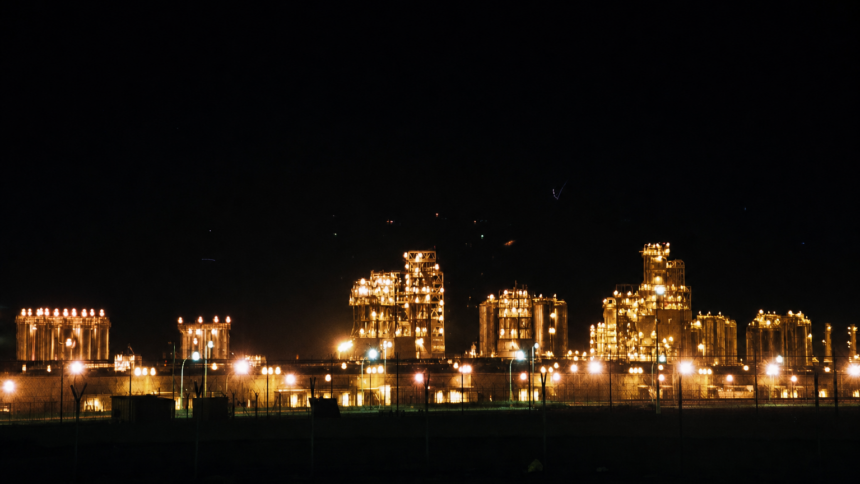
According to the NBK report, oil production has risen to three-quarters of its pre-conflict level with more shipments passing through the Strait of Hormuz. This positions Kuwait to benefit from higher oil prices compared with the early stages of the conflict. The improved data reinforces the bank’s view that the non-oil economy will avoid a steep downturn while recent rebounds across metrics provide confidence that growth will recover as regional conditions stabilize.[[1]](https://kuwaittimes.com/article/50778/business/kuwait-economy-shows-resilience-despite-continuous-shipping-crisis/)
OPEC’s oil market report cited in the NBK update showed that Kuwait recovered the most output since March’s post-conflict low, adding 1.4 million barrels per day to reach 2.0 million barrels per day. This level represents roughly three-quarters of pre-conflict production and should allow Kuwait to attain its higher OPEC+ ceiling of 2.68 million barrels per day once the Strait is fully open. The report highlighted that alternative trade routes, restored air travel and policy support have helped the economy absorb much of the initial impact.[[1]](https://kuwaittimes.com/article/50778/business/kuwait-economy-shows-resilience-despite-continuous-shipping-crisis/)
S&P Global data indicated that Kuwait’s non-oil private sector returned to growth in July for the first time since the conflict began, with the Purchasing Managers’ Index rising to 50.8 and surpassing the 50-point threshold. Resumed flights at Kuwait International Airport drove higher production and new orders while companies increased purchasing activity and hiring. Inflation stayed relatively contained owing to government support and price controls, according to the PMI survey.[[2]](https://timeskuwait.com/kuwait-economy-shows-early-signs-of-recovery-despite-regional-turmoil/)
Market figures show that 64 Kuwaiti listed companies recorded a 90 percent year-on-year surge in second-quarter profits to 970 million dinars despite the regional war, with earnings also jumping 149 percent from the first quarter. The National Bank of Kuwait posted net profits of 135.45 million dinars in the first quarter as part of the banking sector’s combined 409 million dinars in earnings. Government deposits with local banks rose between February and May, further supporting the financial sector’s stability.[[3]](https://timeskuwait.com/64-kuwaiti-listed-companies-profits-surge-90-to-970m-dinars-in-q2-2026/)
The NBK report added that monthly indicators including the PMI and bank lending have improved since their second-quarter lows. The bank downgraded its overall growth outlook to account for revised conflict assumptions yet maintained that the latest rebound offers greater assurance of continued recovery. Supply-chain pressures are expected to ease alongside stabilizing regional conditions and advancing investment projects.