ع



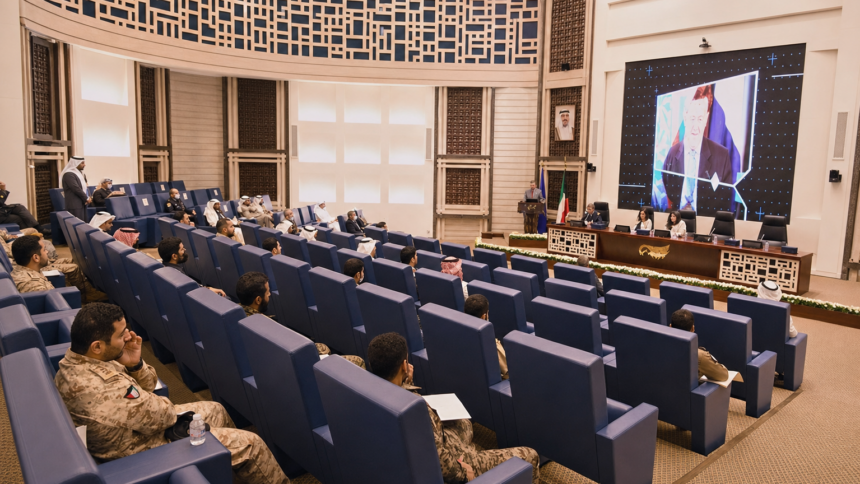
The NATO-Istanbul Cooperation Initiative Regional Center in Kuwait commenced an advanced public affairs course focused on crisis communication for trainees from Gulf Cooperation Council countries on October 25, 2026. The program is set to run through October 29 and is organized in partnership with the Regional Public Affairs Center in North Macedonia. Kuwait Times reported that the initiative targets improvements in media handling and institutional messaging skills among participants. Counselor Emad Al-Kandari, the center’s director, outlined the course objectives in remarks to KUNA.
Al-Kandari told KUNA that the course aims to sharpen Gulf officials’ media and institutional communication skills, particularly during crises and emergencies. The training structure blends lectures with practical applications to build professional capabilities in public affairs. Sessions address techniques for effective engagement with news outlets and the development of stronger institutional responses under pressure. These elements form part of ongoing efforts to elevate communication standards across GCC institutions.
Practical exercises in the curriculum include writing press releases, conducting media interviews and organizing news conferences. Additional components cover the refinement of verbal and non-verbal communication methods along with the monitoring and analysis of media coverage. Al-Kandari noted that such hands-on activities prepare officials to manage information flow more effectively when emergencies arise. The approach reflects a commitment to professional development drawn from established NATO partnership frameworks.
The NATO-ICI Regional Center, established in Kuwait in January 2017, has organized 101 political dialogue events and 56 military training courses since its founding. A NATO overview described the facility as a key hub for security cooperation and public diplomacy in the Gulf region. Similar programs earlier in 2026 addressed crisis management and disaster response with participants from multiple Gulf states. The center’s activities continue to expand in response to regional security priorities.
Further courses are scheduled before the end of 2026 on subjects including maritime security, counter-terrorism and countering unmanned aircraft systems, NATO updates indicated. These programs build on flagship projects launched at the NATO Summit in Ankara to support partners in tackling shared challenges. Kuwait’s designation as a major non-NATO ally in 2004 has facilitated its central role in the Istanbul Cooperation Initiative. Officials from the center and partner nations have stressed the value of sustained multilateral training.
Participation in the current course underscores the collaborative nature of capacity-building initiatives among GCC members and NATO affiliates. The center also accommodates trainees from non-ICI Gulf countries such as Saudi Arabia and Oman in various programs. Data from previous years shows consistent demand for topics related to crisis response and public affairs. Such efforts contribute to enhanced coordination across government bodies in the region.