ع



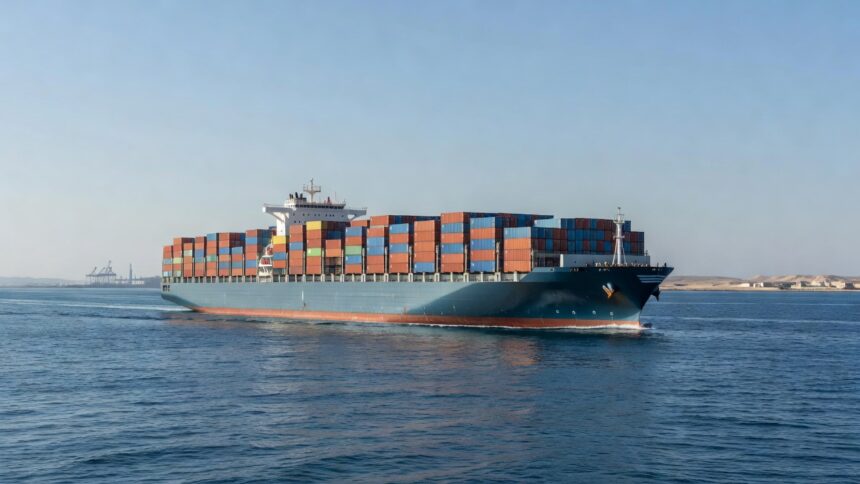
Folk Maritime has adjusted its fleet strategy in response to the Middle East conflict, according to an interview with EnterpriseAM. The closure of the Strait of Hormuz on Feb. 28 forced the termination of two services from India into the Gulf up to Iraq and Saudi Arabia. The carrier rerouted its vessels to serve the Red Sea from India and Oman to handle local cargo that used to transit via the Gulf into Dammam and the Saudi hinterland.
Hestbaek explained that the company had ambitions to build up its fleet of own container vessels slightly faster than the current pace. Global crises have created tight supply and demand for both chartering and second-hand tonnage acquisition, the CEO told EnterpriseAM. This situation has delayed network expansion plans, pushing them into 2027, even as the operator optimised operations and became leaner and more agile.
This year Folk Maritime still anticipates growth of 30 to 35 percent, Hestbaek told EnterpriseAM. The firm has remained very strong despite the inability to expand the network as originally desired. Its adaptations have allowed it to stay flexible amid the regional upheaval.
Folk Maritime was launched in early 2024 with backing from Saudi Arabia’s Public Investment Fund to support the Vision 2030 initiative by enhancing the Kingdom’s role as a logistics hub, according to a Lloyd’s List report from May 2025. The carrier has since established multiple services and advanced its fleet rapidly. Its long-term objective includes securing 15 to 20 percent market share in the region by 2030.
The regional conflict that began earlier this year has reshaped maritime trade patterns across the Gulf and Red Sea, a Seatrade Maritime assessment found. Operators introduced precautionary measures including route adjustments to maintain connectivity. Folk Maritime’s changes have helped sustain supply chains for Saudi Arabia and neighbouring countries.
Hestbaek expressed confidence that trends toward near-shoring and friend-shoring will strengthen the company’s position and growth in regional trades. “My belief is that the combination of this, more near-shoring, friend-shoring will actually cement our position and growth in the regional trades,” he said. He predicted that the share of its regional container line business will quickly become the main part of operations.