ع



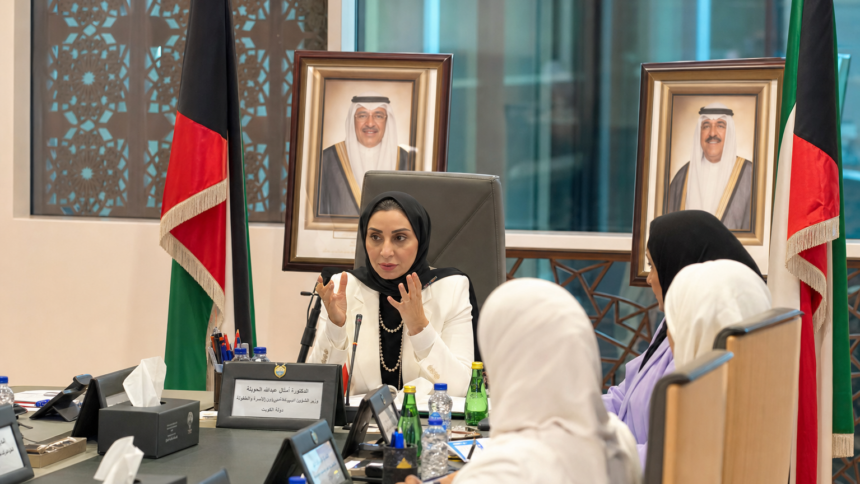
Dr. Amthal Al-Huwailah addressed representatives from charity organizations to outline the implications of the new legislation, according to a Times Kuwait report. The minister emphasized that the main goal is to organize the sector, sustain its growth and safeguard Kuwait’s international humanitarian reputation, which has seen Kuwaiti charities deliver more than $30 million in aid to over 50 countries in 2024 alone. She added that the law will assist local charities in passing assessments conducted by global organizations.
The minister further revealed plans to subject charity workers to security vetting procedures identical to those applied to civil servants. This step is intended to secure the employment of competent staff in a sector critical to national and international aid efforts. Al-Huwailah also warned of unscrupulous persons who have been exploiting registered charity names for unauthorized initiatives.
The decree-law, issued as No. 87 of 2026 and published the previous month, sets up a National Center for Charitable and Humanitarian Work along with a dedicated Kuwaiti Fund for the same purpose, earlier ministry statements detailed. The center will supervise all charitable operations while the fund will focus on capacity building, studies and sector advancement. Fundraising campaigns now require explicit ministerial approval to prevent misuse and ensure proper allocation of donations.
Under the framework, entities must retain comprehensive documentation for a decade and furnish auditor-approved accounts shortly after concluding drives, a requirement highlighted in related coverage by Kuwait Times. Political and sectarian activities are explicitly banned, as are dealings with proscribed groups or acceptance of unidentified contributions. Such measures are part of efforts to bolster financial integrity and reduce exposure to illicit finance risks.
Al-Huwailah urged the organizations to channel as much of their assistance as feasible into Kuwait’s domestic market to better serve local societal requirements. The law is not meant to limit resources available to charities but to promote long-term viability and accountability. Prompt disclosure of activities will enable officials to shield societies from reputational harm, she noted.
Until the National Center becomes operational, the Ministry of Social Affairs will assume its oversight responsibilities, Al-Huwailah indicated. Charities have a grace period to update their internal rules and procedures in accordance with the new statute. The minister’s briefing forms part of ongoing engagement to facilitate a seamless shift to the updated regulatory environment.