
 ع
ع


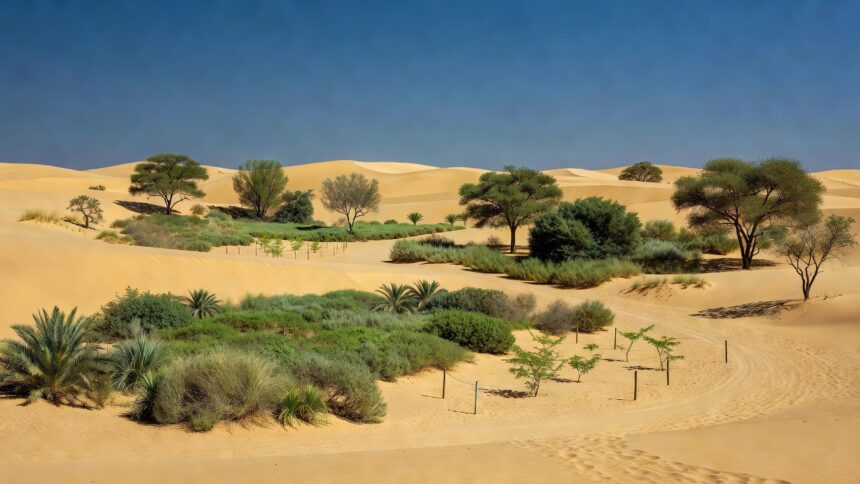
The policy approved during the Cabinet session focuses on shielding environmentally sensitive locations, creating tourism experiences rooted in the UAE’s natural and cultural heritage, and promoting active roles for local communities in preservation initiatives. It also prioritises retaining distinct cultural identities as visitor volumes increase and calls for enhanced coordination among federal authorities, emirate-level bodies, private tourism companies and civil society groups working in conservation. A government statement issued after the meeting outlined these priorities as essential to preventing tourism growth from undermining ecological balance across the federation.
Key elements include establishment of a national smart platform dedicated to ecotourism information and bookings, formation of collaborative networks to advance sustainable practices, and rollout of fresh regulations for overseeing ecotourism locations and operators. The framework forms part of ongoing national drives to link economic advancement in the tourism sector with long-term environmental safeguards. Officials indicated the policy will guide development of new products that allow visitors to engage with protected landscapes without compromising their integrity.
The Cabinet simultaneously examined advancements under the National Strategy to Combat Desertification 2030, which has produced concrete results in habitat recovery and resource management. Cabinet figures show the total of designated national protected areas has reached 55, with roughly 4,900 hectares of land restored through rehabilitation programmes. Additional data from the review indicated more than 3.2 million square metres of green cover added, 341,000 native trees catalogued and safeguarded, and over 120 native plant genetic resources documented and preserved.
Sheikh Mohammed bin Rashid Al Maktoum, Vice President and Prime Minister of the UAE and Ruler of Dubai, underlined the policy’s significance immediately after the session. “Protecting our environment is a national commitment, and investing in our natural resources is investing in the quality of life,” he said. The statement framed the ecotourism measures as a direct expression of that commitment, ensuring tourism contributes positively to both economic diversification and environmental resilience.
The new policy supports objectives set out in the National Tourism Strategy 2031, which according to the Ministry of Economy seeks to lift the sector’s contribution to gross domestic product to 450 billion dirhams. That strategy further envisages attracting 100 billion dirhams in fresh tourism investments and growing annual hotel guest numbers to 40 million while embedding sustainability across all activities. Ecotourism development is viewed as instrumental in spreading visitor flows to remote natural sites in each of the seven emirates and reducing pressure on urban destinations.
Implementation will centre on practical steps such as training programmes for guides, certification standards for eco-lodges and monitoring systems to track environmental impacts at tourism sites. The policy builds on existing protected-area management models and aims to generate supplementary income streams for communities living near conservation zones through guided nature tours and cultural programmes. Coordination among stakeholders is expected to accelerate as the smart platform and regulatory updates come into effect over the coming months.