

 ع
ع


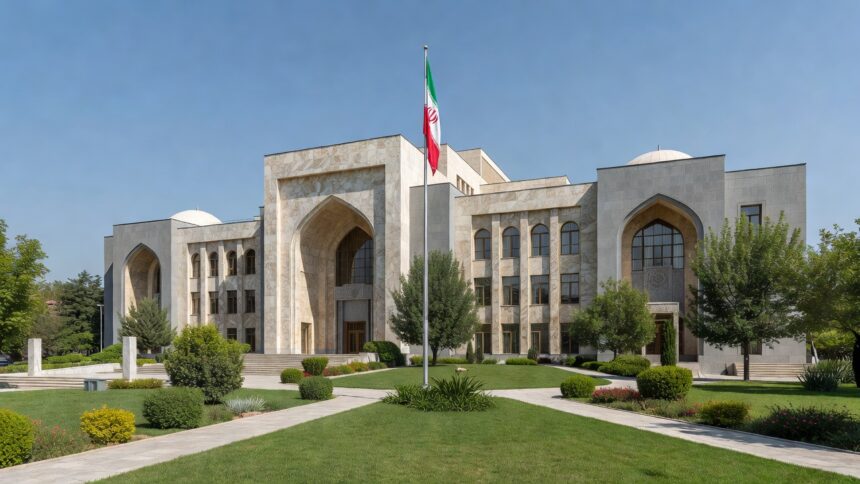
Iran’s Judiciary Chief Gholam-Hossein Mohseni-Ejei issued a message on June 29, 2026, describing the Leader’s recent communication as a binding roadmap that all officials must follow in their duties. Mohseni-Ejei stated that he and the entire judiciary consider themselves obligated to implement the Leader’s orders accurately, swiftly and without reservation. The pledge came as part of observances for Judiciary Week, according to a Nour News report.
The judiciary chief announced that new programs will be drafted urgently based on a revised judicial transformation document, which will then undergo updated oversight mechanisms to ensure effective execution. Mohseni-Ejei added that performance across judiciary branches will face assessment by independent scientific and professional bodies outside the system, with reports forwarded directly to the Leader. He emphasized that all sections of the judiciary have committed to advancing the Leader’s priorities with expanded scope and precision.
Mohseni-Ejei noted that the Leader’s expectations align with the requirements of the Islamic Republic to build a judiciary befitting Islamic Sharia rule. In the announcement carried by IRNA, the chief justice highlighted ongoing structural reforms, appointment changes and digital infrastructure development as elements that will continue without interruption. He pointed to technological upgrades that have already helped reduce case backlogs, accelerate proceedings and improve verdict accuracy.
A revised transformation document will guide future reforms, building on earlier versions that focused on modernization, digitization and anti-corruption measures, according to coverage in Mehr News Agency. Mohseni-Ejei said the judiciary aims to increase public satisfaction through these efforts and that citizens should soon observe tangible positive impacts on social life. External evaluation of judicial performance forms a core part of the new approach to maintain accountability.
Judiciary Week in Iran, observed annually in late June, commemorates the establishment of the modern judicial system and provides an occasion for the Leader to outline expectations, a practice dating back years under the Islamic Republic. The 2026 message from Ayatollah Seyyed Mojtaba Hosseini Khamenei followed his assumption of leadership and stressed full adherence to the judicial transformation roadmap. Mohseni-Ejei expressed gratitude for the opportunity to serve under this guidance and anticipated delivering positive progress reports in coming months.
The judiciary chief affirmed that no domestic challenges or external conditions will halt the reform trajectory, including administrative restructuring and technological enhancements. Earlier judicial cooperation initiatives, such as those expanding ties with neighboring countries on legal matters, demonstrate the system’s outward engagement, Tehran Times reported in related coverage. Mohseni-Ejei reiterated the commitment to swift verdict implementation and public rights protection as central to fulfilling the Leader’s outlined vision.