 ع
ع

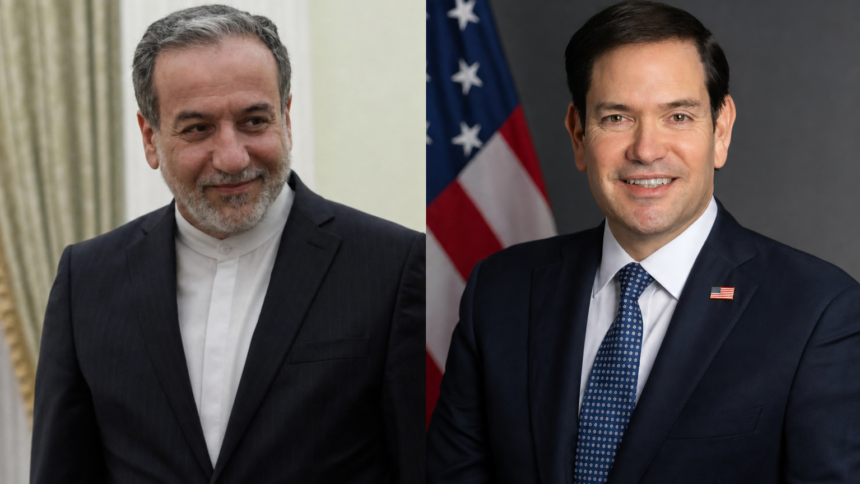
Secretary of State Marco Rubio ordered Iran’s foreign minister and the accompanying delegation to the United Nations General Assembly to leave New York immediately on the evening of Sept. 28 after indirect negotiations reached a stalemate, a U.S. official told Axios. The directive specifically included Foreign Minister Abbas Araghchi, who had remained in the city after President Masoud Pezeshkian returned home days earlier. The delegation left for the airport several hours later and boarded a flight bound for Doha at 1:20 a.m. on Sept. 29.
A U.S. official said Rubio determined that the Iranian team had overstayed its welcome now that the high-level portion of the UN General Assembly had ended, according to the Axios report. On Monday morning the White House had anticipated possible progress in the talks but by late afternoon it was evident that a deadlock had set in. The Trump administration had granted the Iranian officials visas with severe restrictions to attend the annual gathering despite the hostilities between the two countries.
The weekend meetings between Iranian representatives and Qatari mediators produced little advancement on reopening the Strait of Hormuz, ending the regional conflict or resuming nuclear discussions, the Associated Press reported. Those indirect exchanges marked the first contact between U.S. and Iranian officials since mid-June and involved American envoys Steve Witkoff and Jared Kushner. A second source confirmed the U.S. demand for the delegation to leave while noting that Araghchi had been scheduled to depart for Tehran that night anyway.
The Iranian mission to the United Nations denied on Sept. 30 that it had been ordered out in a post on its official X account. “The Iranian delegation left New York on Monday evening, in accordance with the schedule that had also been communicated to the U.S. Department of State in advance on September 17,” the mission stated. The post added that the State Department had resorted to spreading baseless news after achieving nothing in the talks.
Earlier in the year Rubio revoked the privilege of senior Iranian officials and their family members to be in the United States citing the regime’s crackdown on protests, the State Department announced in January. Human Rights Activists News Agency figures from that period placed the death toll at more than 6,200 with nearly 17,100 arrests as internet communications were disrupted. The January action stated that those who profit from the Iranian regime’s oppression were not welcome to benefit from the U.S. immigration system.
Iran had proposed a seven-day trust-building framework the week before the UN meetings under which the Strait of Hormuz could reopen if certain conditions were met, CNBC TV18 reported. The U.S. response to that proposal was conveyed to Araghchi through Qatari mediators in Doha even after the delegation’s departure from New York. The episode reflects the narrow path for diplomacy amid persistent regional tensions.