
 ع



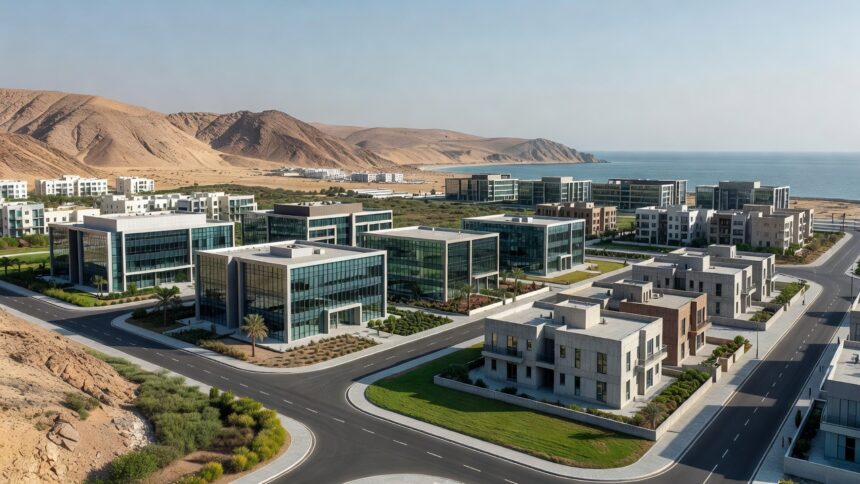
The Public Authority for Special Economic Zones and Free Zones issued Regulation No. 81/2026 as the Executive Regulations of the Special Economic Zones and Free Zones Law, The Economic Times reported on November 20, 2026. The provisions establish procedures for investment activities ranging from land allocation to business licensing and regulatory compliance across the designated areas. OPAZ published the regulations under Royal Decree No. 38/2025, which took effect shortly after their release in September 2026.
Residence permits under the new framework extend to non-Omani investors operating within the zones as well as foreign owners of real estate units developed there. The permits also cover spouses and first-degree relatives, subject to existing laws and specific controls set by the authority. A Business Standard advisory noted that it remains unclear whether these permits fall under Oman’s separate long-term investor residency track or form an independent pathway.
The regulations additionally outline requirements for property development licences, rules governing off-plan sales of units before completion and conditions for freehold ownership by non-Omanis in qualifying projects. Financial safeguards for buyers, including the use of escrow accounts, form part of the framework to protect funds during development phases. These measures align with Oman’s broader strategy to integrate real estate development into its economic diversification initiatives.
Oman introduced its 10-year Golden Residency programme effective September 1, 2025, according to multiple reports from investment advisory platforms. Eligible applicants must commit at least OMR 200,000 through one of seven approved channels that include real estate investment, the Ministry of Commerce, Industry and Investment Promotion has stated. The programme offers renewable residence permits and family sponsorship rights, building on an earlier investor residency framework launched in 2021.
Separate residency clarifications issued by Oman’s Ministry of Housing and Urban Planning in October 2026 emphasised that the new rules do not expand foreign property ownership rights beyond designated areas. Non-Omanis may purchase real estate only in integrated tourism complexes, future cities such as Sultan Haitham City and certain approved residential neighbourhoods. GCC nationals remain subject to distinct agreements that further define their ownership eligibility.
Companies operating in the zones must now comply with workforce planning, Omanisation targets and regular reporting obligations under the updated regulations, Fragomen immigration lawyers noted in a November advisory. The requirements aim to balance foreign investment inflows with local employment priorities across special economic zones and free zones. OPAZ oversees implementation of the full regulatory package to support Oman’s ongoing efforts to attract overseas capital.