ع



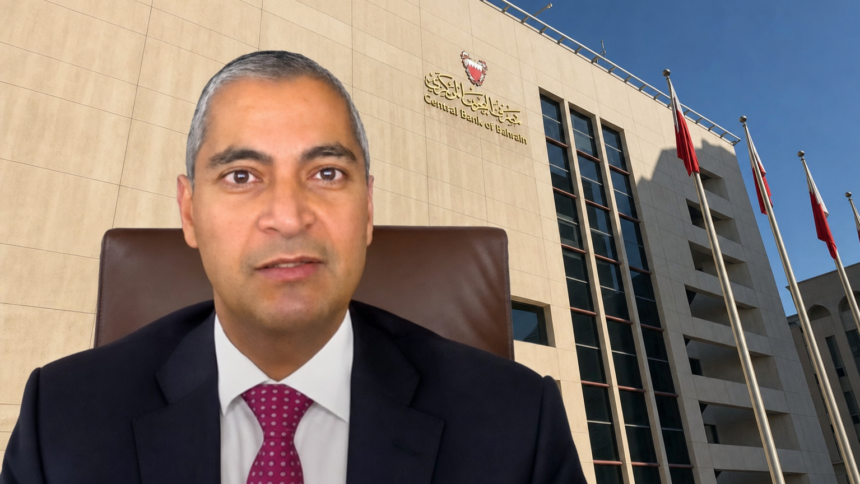
The Central Bank of Bahrain expects its investments in technology to triple over the next three years, according to remarks delivered by Governor Khalid Humaidan at the Future of Fintech 2026 forum. Humaidan indicated he would not be surprised if spending on technology rises to three times current levels during that period. The forecast reflects accelerating adoption of digital solutions and artificial intelligence across financial oversight and risk management activities. Maintaining confidence in the system while addressing systemic risks stands among the bank’s foremost concerns, the governor added during the event’s opening day.
Humaidan outlined how the Central Bank of Bahrain already employs artificial intelligence along with pattern recognition technologies to strengthen its supervisory functions. These instruments allow for more effective identification of risks and potential fraud cases. A report carried on Fintechgate.net detailed the governor’s comments made in Manama as part of the forum backed by several national entities including the Bahrain Economic Development Board.
The governor projected that the financial sector will continue to account for roughly 20 percent of Bahrain’s gross domestic product through 2036. He stressed that the real objective involves sustaining this proportion within an expanding overall economy rather than preserving the ratio in isolation. This perspective ties into the kingdom’s ongoing efforts to broaden its economic base beyond traditional sectors.
Earlier decisions by the Central Bank of Bahrain have laid groundwork for the anticipated increase in technology spending. During its fifth board meeting of 2025 held on December 14, the board reviewed and approved the 2026 budget with a strong emphasis on technology projects, according to a Central Bank of Bahrain statement. Key initiatives include modernization of payment systems and deployment of supervision technology, commonly referred to as SupTech.
The approved budget further commits resources to human capital development through specialized training programs that target competencies in digital transformation and artificial intelligence, the Central Bank of Bahrain reported. This human capital focus accompanies robust growth in digital payments usage. Central Bank of Bahrain figures show point-of-sale transactions climbed 22.8 percent year-on-year to 217.9 million between January and October 2025, with 77.8 percent processed as contactless payments.
The Central Bank of Bahrain has also forged partnerships to support its technology objectives. In July 2025 the regulator signed a strategic agreement with ARRAY Innovation, a portfolio company of Bahrain Mumtalakat Holding Company, a Zawya press release stated. Under that arrangement ARRAY Innovation supplies strategic advisory services and professional expertise in payments technology, artificial intelligence and cloud-based solutions to advance the bank’s digital transformation agenda.