ع



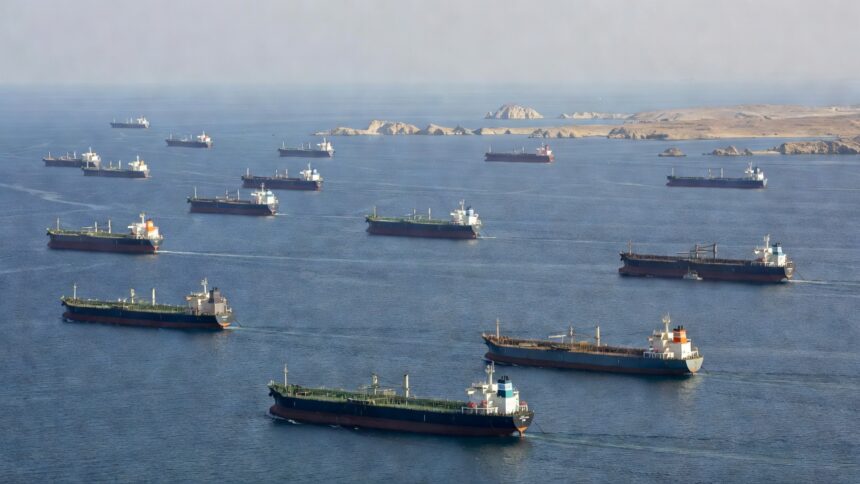
US Central Command has redirected 135 commercial vessels since resuming its naval blockade of Iran on July 14 while disabling four and destroying 10 tankers associated with the Islamic Revolutionary Guard Corps shadow fleet in addition to 13 earlier vessels according to a Gulf News summary of the latest briefing. The US Treasury Department announced fresh sanctions targeting 16 individuals and 10 entities linked to Iranian activities with the announcement issued on October 15 and Treasury Secretary Scott Bessent stating that pressure would continue until Iran’s financial resources were curtailed. The developments form part of the broader US-Israel-Iran conflict that erupted February 28 with initial US and Israeli strikes.
A Reuters investigation published on October 15 documented at least 135 precision drone and missile strikes by Iran and its allies against 84 key infrastructure targets across Gulf countries since the war began. The strikes have targeted sites in multiple nations with governments often attributing damage to debris from intercepted projectiles though specialists who reviewed the evidence described that explanation as highly improbable for the pattern observed. The assessment has prompted heightened concerns over the vulnerability of energy facilities and other critical assets in the region including those in the UAE.
President Donald Trump reiterated his commitment to a firm stance in remarks reported October 15 telling reporters the war would conclude soon while officials have discussed options including deployment of the GBU-43 Massive Ordnance Air Blast bomb known as the Mother of All Bombs against Iranian nuclear and energy sites if operations resume. The consideration of the weapon comes as the US weighs next steps ahead of domestic midterm elections in November with Trump having ruled out major new attacks before the vote citing ongoing discussions. A separate Gulf News report noted that the conflict has entered its eighth month with naval actions and sanctions forming the current emphasis.
Data from Kpler shows that roughly 40 percent of Gulf crude now travels through pipelines bypassing the Strait of Hormuz compared with 17 percent prior to the conflict as shippers seek to avoid risks in the waterway. Gulf News reported that the UAE suspended all trade and financial transactions with Iran in August while also halting Iran-linked flights as part of measures to manage exposure. At least 10 vessels have faced strikes in the Hormuz area over a recent seven-day period marking the highest such total since the war started according to UK Maritime Trade Operations data cited in regional coverage.
UAE residents have been advised to monitor airline announcements closely for route changes cancellations and airspace restrictions with carriers including Etihad flydubai and Emirates suspending multiple services to Saudi Arabia following Houthi attacks on Riyadh’s King Khalid International Airport. The Saudi facility remained closed until 2100 GMT on October 17 with more than 3,000 flights from Saudi airports cancelled or marked no-fly over the prior week. Fuel prices and costs of imported goods could climb due to oil market volatility and increased shipping insurance premiums as the conflict disrupts established patterns while travel advisories from the US Canada and Australia urge heightened caution with the US maintaining a Level 3 reconsider travel warning for the UAE.