ع



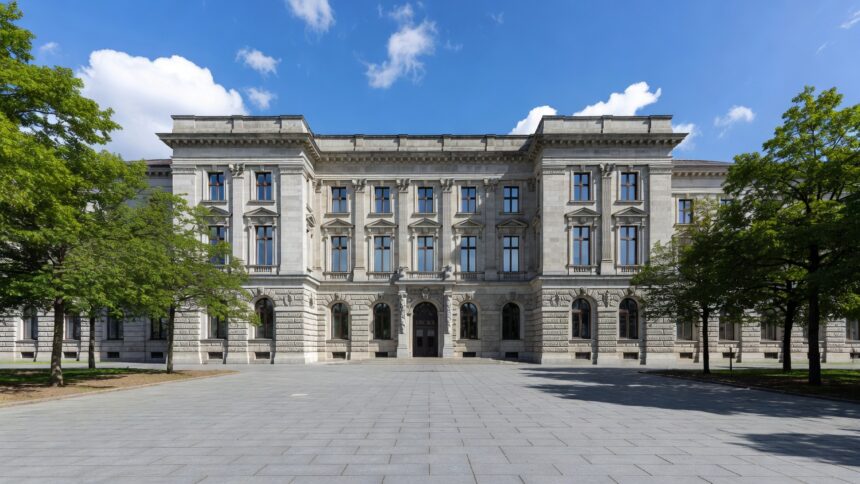
The Hanseatic Higher Regional Court in Hamburg convicted Danish national Ali S. of preparing an assassination and aggravated arson, imposing an eight-and-a-half-year prison term after determining he had been recruited and directed by Iran’s intelligence service to conduct state-sponsored terrorism on German territory. Afghan national Tawab M. received a four-and-a-half-year sentence for his supporting involvement in the scheme. Federal prosecutors filed the charges against the pair in May, according to the court’s statement.
Plans orchestrated through the network focused on collecting information about Josef Schuster, president of the Central Council of Jews in Germany, and Volker Beck, chairman of the German-Israeli Society, with the intention of carrying out attacks against them and associated Jewish centers. The court concluded that the activities formed part of a broader Iranian-directed operation, marking one of the most significant cases of its kind prosecuted in Europe in recent years. German authorities have tracked similar alleged plots across the continent amid ongoing Middle East tensions.
Iran’s embassy in Berlin issued a statement on October 16 rejecting the Hamburg court’s conclusions in full, describing the security-related claims against Tehran as invalid and lacking any credibility. The embassy referenced its earlier official positions issued on July 1, 2025, and May 23, 2026, which similarly dismissed any attribution of such activities to the Islamic Republic. The embassy told Reuters that the ruling formed part of coordinated Western political posturing against Iran.
The statement highlighted Iran’s longstanding tradition of peaceful religious coexistence, noting that respect for followers of Abrahamic faiths remains embedded in the country’s culture and beliefs. It criticized what it termed Western double standards, pointing to the lack of international condemnation following strikes on Jewish sites inside Iran during periods of conflict in 2025 and 2026. The embassy maintained that such selective outrage undermines claims of commitment to human rights and religious security.
Relations between Berlin and Tehran have deteriorated over multiple issues in recent years, including Germany’s 2024 prohibition of the Islamic Center Hamburg and several associated Shia mosques after the interior ministry labeled the organization an extremist group with links to Hezbollah and promotion of antisemitism. Iranian officials at the time summoned the German ambassador to deliver a formal protest against the closure, which affected one of the country’s oldest mosques. The current court case adds to a series of diplomatic friction points between the two capitals.
Beck welcomed the convictions and urged the German government to respond with concrete diplomatic steps, including a reduction in Iranian embassy personnel in Berlin, according to coverage by German media outlets. Authorities continue to monitor potential networks linked to the case, the Hamburg court indicated in its ruling summary. European security services have documented an increase in disrupted Iran-attributed activities since escalation of regional conflicts earlier in the decade.