ع



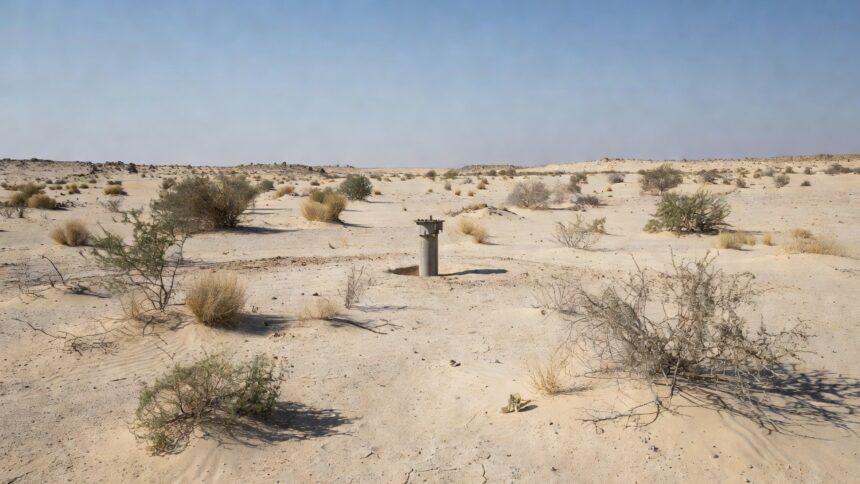
Engineer Wael bin Nasser Al-Mubarak, the Minister of Municipalities and Agriculture Affairs, issued a decision that imposes a fee of 300 Bahraini dinars for the granting of a licence to drill a well. The same decision establishes an annual fee of 25 Bahraini dinars for each well in operation. Numbered 146 of 2026, the order was published in the official gazette and enters into force the day after its release, Gulf Daily News reported on October 12, 2026. The publication of the decision in the gazette provides the legal basis for its application across relevant sectors.
Al-Mubarak’s decision specifies the exact amounts for both the initial licence and the recurring annual charge without additional conditions outlined in the initial text. Local coverage including that from Gulf Daily News presented the full contents of the ministerial order as released. The reference to the new BD300 fee for licence to drill wells appeared in multiple Bahraini outlets carrying the same details from the gazette.
Bahrain Food Monitor data place the safe groundwater yield at about 112 million cubic metres per year under steady-state conditions prior to 1965, a benchmark that has been exceeded by subsequent extraction rates. In 1988, groundwater use reached an estimated 153 million cubic metres, including significant abstraction from tube wells, according to the same assessment. Over-extraction has led to degradation in both quantity and quality through seawater intrusion, the monitor reported.
GCC-Stat figures show that Gulf Cooperation Council countries recorded a 3 percent decline in the annual rate of groundwater extraction over the past nine years while the share of renewable water resources rose to 25.5 percent in 2024. The statistical centre attributed the changes to policies that expand desalination, reuse treated water and adopt technologies for consumption rationalisation across the bloc. Bahrain forms part of this regional trend toward reduced dependence on groundwater reserves.
The Electricity and Water Authority maintains 55 groundwater wells with a total pumping capacity of 30 million imperial gallons that are activated only during emergencies, according to authority data. These wells form a minor component of the national supply, which relies primarily on desalination plants producing up to 187 million imperial gallons of potable water daily. An ESCWA report noted that more than half of Arab states depend on groundwater for the majority of their freshwater, with over 80 percent of supply drawn from it in countries such as Saudi Arabia.
The ministerial decision aligns with a series of regulatory steps taken in Bahrain and neighbouring states to document and manage well-related activities amid sustained pressure on aquifers. No further implementing instructions or compliance timelines were included in the published order itself. Authorities have applied similar fee structures in the past to formalise administrative processes for natural resource use.