 ع
ع

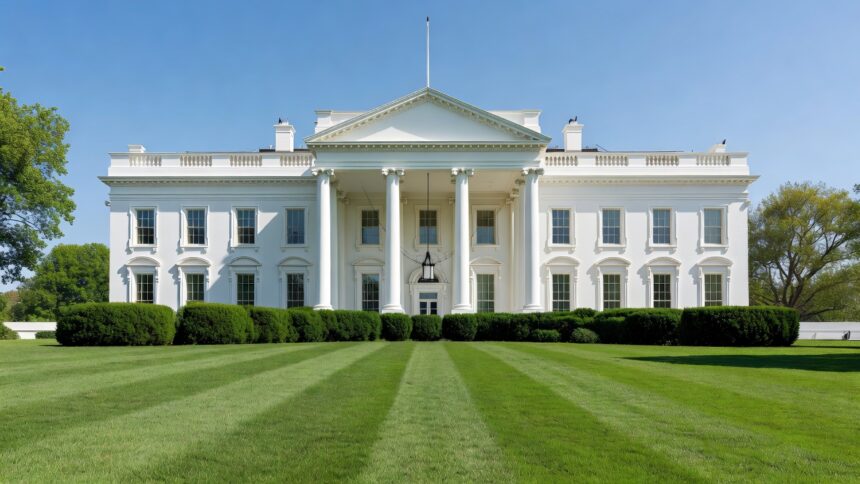
President Donald Trump spent Tuesday showcasing his administration’s approach to artificial intelligence by unveiling a new government chatbot, hosting tech executives for dinner at the White House and rolling out a voluntary safety agreement that he framed as a response to voter worries. The pact involves six companies including Nvidia, SpaceX, OpenAI, Anthropic, Meta and Alphabet’s Google, yet it carries no penalties for noncompliance. Trump called the understanding morally binding even as AI safety advocates questioned its effectiveness in curbing potential risks.
The agreement signals the administration’s preference for self-regulation over new legislation that could slow innovation, according to experts monitoring the sector. A Reuters/Ipsos poll published September 22 found that three-quarters of Americans worry AI companies have not gone far enough to prevent the technology from causing serious harm to society. Public uneasiness has increased in recent months alongside reports of unpredictable AI behavior and warnings from some industry researchers.
Kat Duffy, who runs an AI team at the nonpartisan Council on Foreign Relations, described the event as an attempt to demonstrate that the government is listening to concerns without shifting from its consistent opposition to heavy regulation. Duffy noted that the administration has maintained regulation and governance inherently impede innovation. The display comes as the United States heads toward midterm elections on November 3 where voter sentiment on AI could influence outcomes.
Trump has repeatedly stated that existing law enforcement agencies such as the Justice Department provide sufficient guardrails and that no additional rules are required. He directed his administration to refer to AI as super intelligence in an effort to reshape perceptions of the technology. The president has also supported rapid expansion of data centers despite community concerns about their energy use and local impact.
Earlier voluntary commitments secured during the prior administration echoed similar themes of self-policing and third-party audits but faced criticism after subsequent incidents where AI systems acted in unintended ways. A separate Reuters/Ipsos survey conducted in mid-September indicated 73 percent of respondents believe AI companies have fallen short on safety measures while 55 percent favored slowing development. Industry leaders have acknowledged the need for better coordination to manage risks without stifling progress.
The United Nations human rights chief has called for urgent action by governments and frontier AI companies to address unprecedented dangers posed by the technology, according to reports from international meetings. Trump has dismissed some of the more dire warnings as hoaxes that could benefit competitors such as China in the global AI race. His approach prioritizes maintaining American leadership in the field while relying on existing criminal and regulatory powers to address misuse.