ع



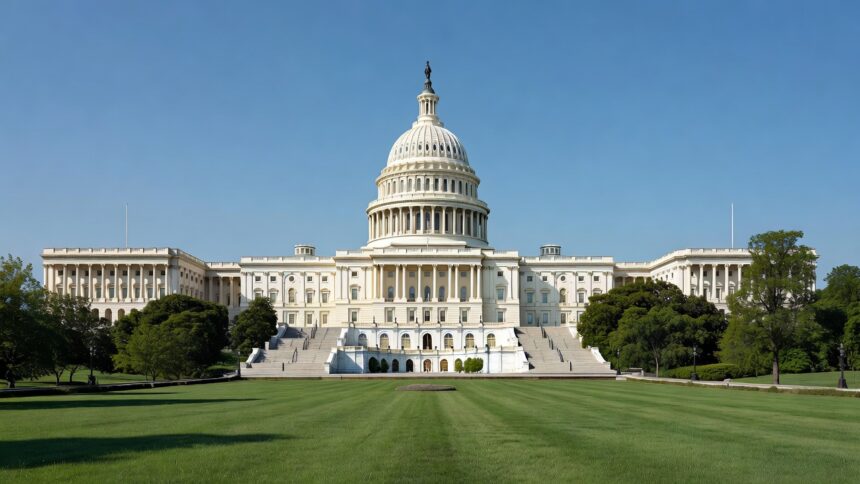
The American Conservative reported that Senate Republicans turned back the proposed legislation directing President Trump to cease U.S. involvement in the Iran war, leaving the executive branch with continued latitude as the conflict stretches into its ninth month. The measure had gained traction amid growing concerns over the war’s expanding scope and its pull on American resources. Lawmakers cited differing assessments of national interests in the Gulf region as the basis for the partisan split that doomed the bill.
Yemen’s Houthis, aligned with Iran, warned they would target Saudi ports along the Red Sea in the event of attacks on their own facilities by Saudi-backed forces, according to the publication. The group extended its threats to a power station in southwestern Saudi Arabia and to the financial district in Riyadh. These statements came after Saudi air strikes hit two power stations in Yemen, intensifying the back-and-forth between the parties.
The American Conservative noted that on the previous day Houthis had struck Riyadh’s tallest skyscraper, which serves as headquarters for the Saudi sovereign wealth fund, causing damage across several floors but no reported injuries. The latest threats reflect the Houthis’ integration into the broader Iran war that has drawn in multiple regional actors since its outbreak. Qatari, Kuwaiti and Gulf Cooperation Council officials condemned the prior Houthi action on Riyadh.
In Iraq, the government forged a compromise with the Iran-backed Kataib Hezbollah militia following the prime minister’s warning that security forces might be deployed against the group, the report stated. Government units are scheduled to enter the militia’s primary stronghold territory on Friday as Kataib Hezbollah elements shift to alternative locations. The arrangement seeks to ease domestic frictions while the larger conflict continues along Iran’s perimeter.
Energy markets have registered the war’s effects, with the average U.S. price for regular gasoline at $3.69 per gallon and still trending downward, The American Conservative said citing current figures. Analysts tracked a measurable decline in vessel traffic through the Strait of Hormuz, the critical conduit for much of the world’s oil shipments. Iran asserted on Thursday that two additional tankers had struck sea mines in those waters, adding to earlier similar claims.
The publication’s daily Iran war updates, including the previous day’s account of a Houthi strike on Riyadh’s financial district, have catalogued steady escalation across Yemen, Iraq and the Gulf shipping lanes. Brent crude prices opened above $91 per barrel in the latest session, underscoring the conflict’s persistent pressure on global energy costs. Further developments in the Senate and on the ground are expected in the coming days.