
 ع
ع


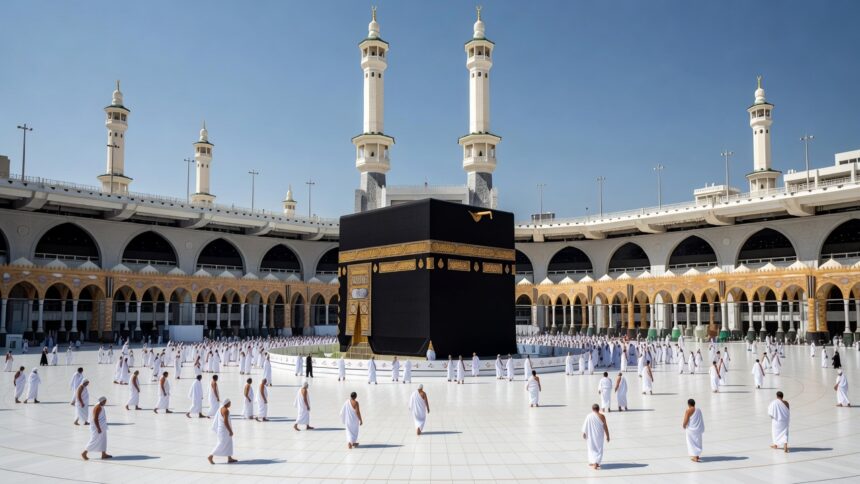
The Ministry of Hajj and Umrah acted after an investigation confirmed that the two companies had failed to meet regulatory standards during the ongoing Umrah season. Saudi Gazette reporting on the decision noted that the breaches involved non-compliance with protocols designed to protect pilgrim welfare and service quality. Authorities indicated that the suspensions would remain in place while officials conduct a full licensing review and consider additional penalties. The move forms part of broader oversight to maintain accountability across all licensed operators.
General Authority for Statistics figures show that the Kingdom recorded more than 15 million Umrah performers in the first quarter of 2025 alone, with international arrivals increasing by 10.7 percent from the prior year. Those numbers underscore the scale of operations that the ministry must monitor to prevent service shortfalls. GASTAT data further places the majority of overseas Umrah visitors at air entry points, highlighting the logistical demands placed on service providers throughout the year.
Similar enforcement actions have occurred in recent months, with the ministry suspending three additional companies for failures in housing provisions for pilgrims. Saudi Press Agency reports from earlier cases detailed how such violations prompted immediate administrative steps to safeguard visitor experiences at holy sites. The pattern demonstrates consistent application of oversight mechanisms whenever standards slip below required thresholds.
Further legal procedures will follow the latest suspensions, including potential fines that can reach 100,000 Saudi riyals for certain regulatory lapses by service firms, according to public security warnings. The ministry has instructed all departments to apply uniform monitoring so that any repeat infractions trigger swift corrective measures. Officials stressed that every operator must adhere fully to frameworks intended to protect pilgrims’ rights during their stay.
The suspensions arrive as Hajj 2026 drew 1.7 million total pilgrims, according to separate GASTAT statistics released in May 2026, with more than 1.5 million arriving from abroad. That volume places added pressure on Umrah companies to maintain compliance year-round rather than during peak periods only. Regulators continue to evaluate performance data from the full cohort of licensed entities to identify any further shortcomings.
Public warnings have also outlined penalties for related violations, such as failing to report overstaying pilgrims, which can multiply fines according to the number of cases involved. The ministry’s latest action reinforces expectations that companies will prioritize approved protocols in housing, transport and overall care. Enforcement data compiled across multiple seasons shows that consistent monitoring has become central to sector regulation.