ع



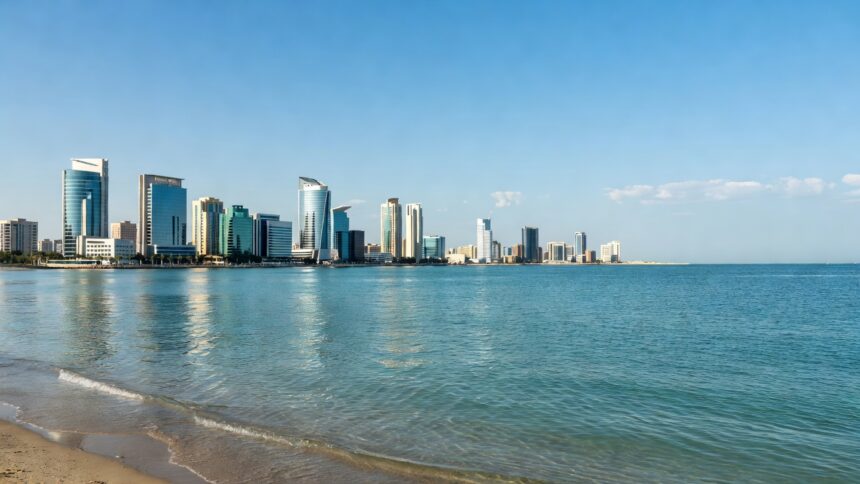
The Islamic Revolutionary Guard Corps announced that its Aerospace Force deployed six drones against the radar system at the Al-Riffa helicopter base in Bahrain. The group described the strike as successful with impacts audible across several areas of the country and framed it as part of a decisive response to US aggression. According to the IRGC statement carried by Iranian state media, the operation followed an initial strike days earlier and included a warning that the Strait of Hormuz remains closed.
Bahrain’s Interior Ministry issued security alerts on the same day directing residents to seek shelter in safe locations and monitor official channels for updates. The ministry’s notices represented the first such warnings since September. Bahrain’s military command reported that its air defenses had intercepted and destroyed incoming Iranian aerial threats before they reached targets, according to accounts in Bloomberg and other regional outlets.
The latest IRGC claim came two days after the group asserted it had destroyed a US early-warning radar in Bahrain in response to an airstrike on a communications tower in southern Iran. US Central Command stated that American forces had intercepted two Iranian drones approaching Bahrain during the prior incident with no reported injuries or damage. Neither US nor Bahraini officials issued an immediate comment on the November 15 assertion.
The Islamic Revolutionary Guard Corps has tied the actions to what it called US naval escort operations that it accuses of facilitating oil smuggling through the blocked waterway. A TokenPost report on the initial claim highlighted rising shipping security risks around the Strait of Hormuz and potential effects on commercial shipping, oil markets and broader risk sentiment. The group said it had used more drones in this phase than before and that American drones were being downed repeatedly.
The International Energy Agency has described the disruption as the largest supply shock in the history of the global oil market since the conflict began on February 28, 2026. The Strategic Energy Map dashboard showed that the strait has been effectively closed to normal traffic since that date, with Gulf crude exports recovering only to about 82 percent of pre-war levels by October while transits remained down 65 percent. Brent crude has risen 32 percent from pre-crisis levels according to the dashboard’s compiled trading data.
Iranian officials have indicated that diplomatic channels for resolving the broader standoff with the United States remain available even as military actions persist. Bloomberg reported that Iran targeted the Bahrain base while repeating that a path to a deal with Washington stays open. No independent verification of damage or casualties from the claimed strikes has emerged from US or Bahraini sources.