ع



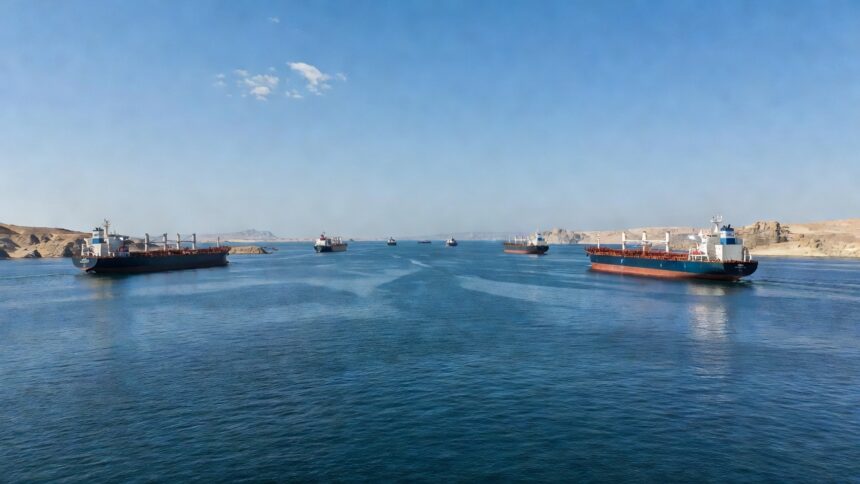
Bahrain’s Foreign Minister Dr Abdullatif bin Rashid Al Zayani led calls for unrestricted maritime traffic in the Strait of Hormuz at the Ninth Joint Ministerial Meeting of the GCC-Russian Strategic Dialogue held in Manama. Al Zayani described freedom of navigation as a cornerstone of Bahrain’s foreign policy and urged a return to the conditions that existed before military operations commenced on February 28, 2026. The minister insisted that international shipping must proceed without discrimination, restrictions or unilateral oversight while protecting vessels’ rights under established global frameworks.
Al Zayani anchored Bahrain’s position in the 1982 United Nations Convention on the Law of the Sea together with UN Security Council Resolution 2817 adopted on March 11, 2026. The resolution explicitly condemns Iranian attacks on Bahrain and other Gulf states while demanding an end to actions that imperil navigation through the strategic waterway. A News of Bahrain report on the ministerial session noted that the minister highlighted widespread diplomatic backing for these principles at the United Nations.
Resolution 2817 secured co-sponsorship from 135 UN member states when it passed, according to the Bahraini minister’s assessment shared at the gathering. This level of support reflected broad international alarm over threats to Gulf security and maritime routes. The foreign minister pointed to the resolution as evidence of global consensus against any single state’s attempt to control or disrupt passage through the strait.
Disruptions to the Hormuz waterway carry severe economic repercussions for global energy markets, international trade and critical supply chains, Al Zayani warned during the discussions. Fertiliser shipments destined for developing nations have been particularly affected, exacerbating food security challenges in vulnerable regions. The minister’s remarks aligned with earlier UN statements that described such interference as sending shockwaves through energy prices and import-dependent economies worldwide.
Russian officials at the meeting proposed a fresh regional security architecture designed to reduce tensions and foster long-term stability across the Gulf. The initiative complements Bahrain’s emphasis on diplomatic engagement and adherence to international norms governing maritime transit. Both sides agreed that renewed dialogue remains essential to address the underlying causes of instability that have persisted since early 2026.
The session formed part of ongoing GCC efforts to safeguard navigational freedoms, building on joint statements delivered at the United Nations in April 2026 that rejected any imposition of tolls or conditions on strait passage. Those declarations, supported by dozens of nations, reaffirmed that free navigation constitutes a pillar of global prosperity and must not be suspended unlawfully. Participants in the Bahrain meeting reiterated commitments to coordinated action that upholds these rights while advancing collective security objectives.