ع



Oman’s electricity generation rose 5.7 percent in the first half of 2026 as expanding development, industrial and investment projects drove higher demand, according to Mohsin bin Hamad al Hadhrami, under-secretary at the Ministry of Energy and Minerals. Speaking at the opening of the fifth edition of IEEE PowerTalks 2026 at the Oman Convention and Exhibition Centre on October 12, al Hadhrami noted that generation for the full year 2025 reached about 50.97 terawatt-hours, up 3.7 percent from the previous year. The figures underscore the importance of proactive planning to meet future needs while maintaining a reliable and economically efficient supply, he added.
Al Hadhrami described a strategic approach to the electricity sector that centres on diversifying generation sources, expanding transmission and distribution networks, and strengthening GCC electricity interconnection. “This approach reinforces energy security, supports economic growth and enhances investment attractiveness,” he said. The under-secretary highlighted the direct interconnection project with the GCC grid, which has a transmission capacity of up to 1,600 megawatts and facilitates electricity exchange, improves use of generation capacity, cuts costs and helps the grid respond to emergencies and demand fluctuations.
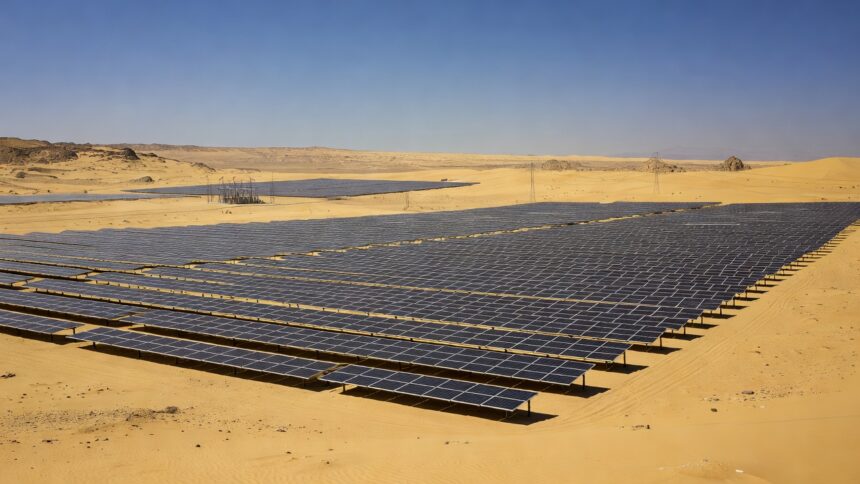
Oman aims to increase the share of renewable energy from about 9 percent in 2025 to between 30 and 40 percent by 2030 and between 60 and 70 percent by 2040 while pursuing net-zero carbon emissions by 2050, al Hadhrami stated. He described diversifying the energy mix and improving generation efficiency as two fundamental pillars of strengthening energy security and reducing emissions. The plan integrates natural gas, solar and wind energy with waste-to-energy projects and exploration of suitable water-based energy technologies, according to the under-secretary.
Emissions reduced and avoided in the energy sector amounted to about 1.72 million tonnes of carbon dioxide equivalent, a ministry assessment found. A total of 31 projects are being monitored across the sector, with five completed by the end of the third quarter of 2026. Data from the National Centre for Statistics and Information places generation for 2024 at roughly 49.13 terawatt-hours after a 9.3 percent increase, illustrating sustained growth in recent years.
A Zawya report published on TradingView detailed the 5.7 percent rise in power output, aligning with the presentation delivered by al Hadhrami at the IEEE event. The Ministry of Energy and Minerals has projected renewable energy capacity will reach 26.6 gigawatts by 2030, accompanied by annual production of one million tonnes of green hydrogen. These objectives form part of broader efforts under Oman Vision 2040 to build a sustainable and diversified economy.
Al Hadhrami called GCC electricity interconnection a strategic investment in collective energy security across the region. Regulatory data from the Authority for Public Services Regulation shows parallel expansion in transmission and distribution infrastructure in recent years to accommodate rising demand. The developments come as Oman continues to monitor multiple initiatives to balance economic growth with environmental goals.